Curriculum
A broad and balanced curriculum designed to inspire curiosity and build strong foundations for every child.
What Your Child Will Learn
At Loudwater Combined School, we want every child to develop the knowledge, skills and confidence they need to succeed, both in school and beyond. We provide a broad, balanced and engaging curriculum that inspires curiosity, encourages creativity and helps children develop a lifelong love of learning.
Our curriculum is designed to build knowledge and skills progressively from the Early Years Foundation Stage through to Year 6, ensuring that children are well prepared for the next stage of their education. We recognise that every child is unique and work hard to ensure that all pupils feel valued, included and supported to achieve their best.
Our six school values – Pride, Empathy, Honesty, Individuality, Respect and Responsibility – underpin our approach to learning and relationships. We encourage children to take pride in their achievements, respect others, develop independence and become responsible members of their community.
How we organise our curriculum
Our curriculum follows the National Curriculum for England, alongside the statutory requirements for Religious Education and Relationships and Health Education. We aim to make learning meaningful by providing opportunities for children to make connections between subjects, apply their knowledge and develop a deeper understanding of the world around them.
Learning is carefully planned to ensure progression, with new knowledge and skills building on what children have already learned. Where appropriate, subjects are linked through engaging topics and practical experiences. We also recognise the importance of teaching individual subjects explicitly so that children develop the essential knowledge and skills each subject requires.
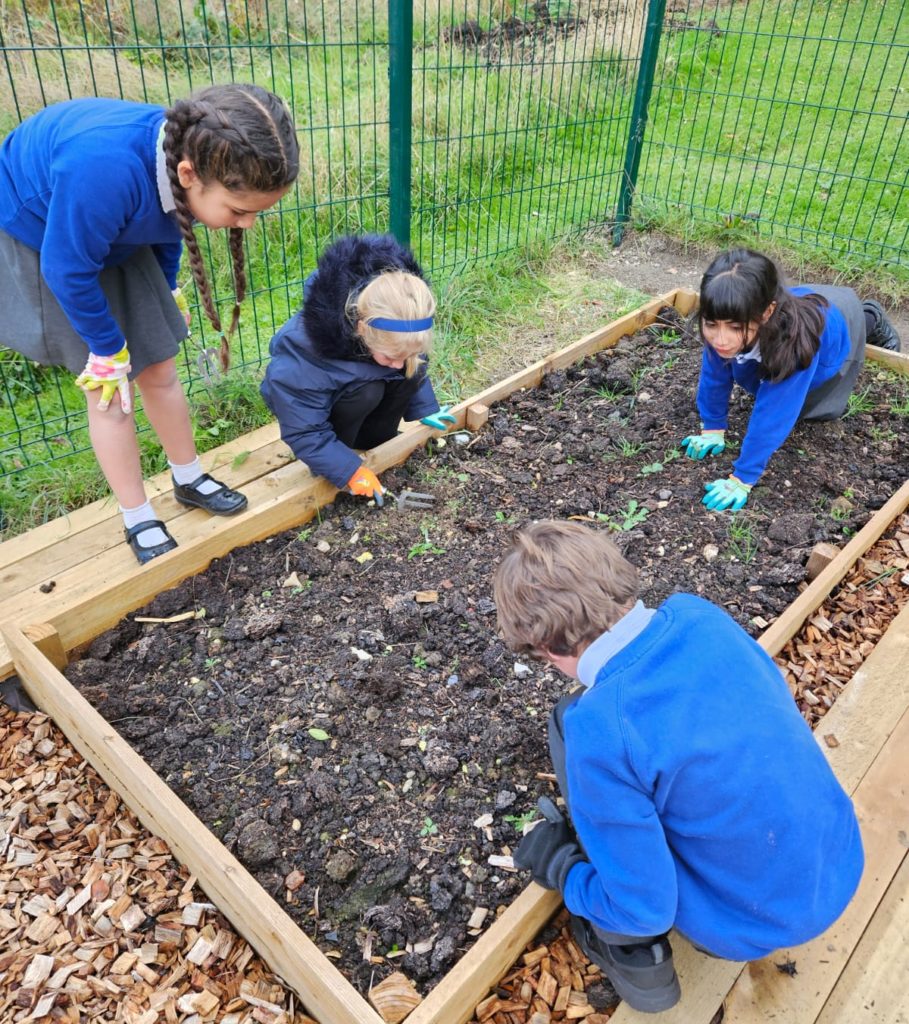
Our school grounds, including our outdoor classroom, swimming pool, fields and growing spaces, provide valuable opportunities to enrich learning beyond the classroom.
English
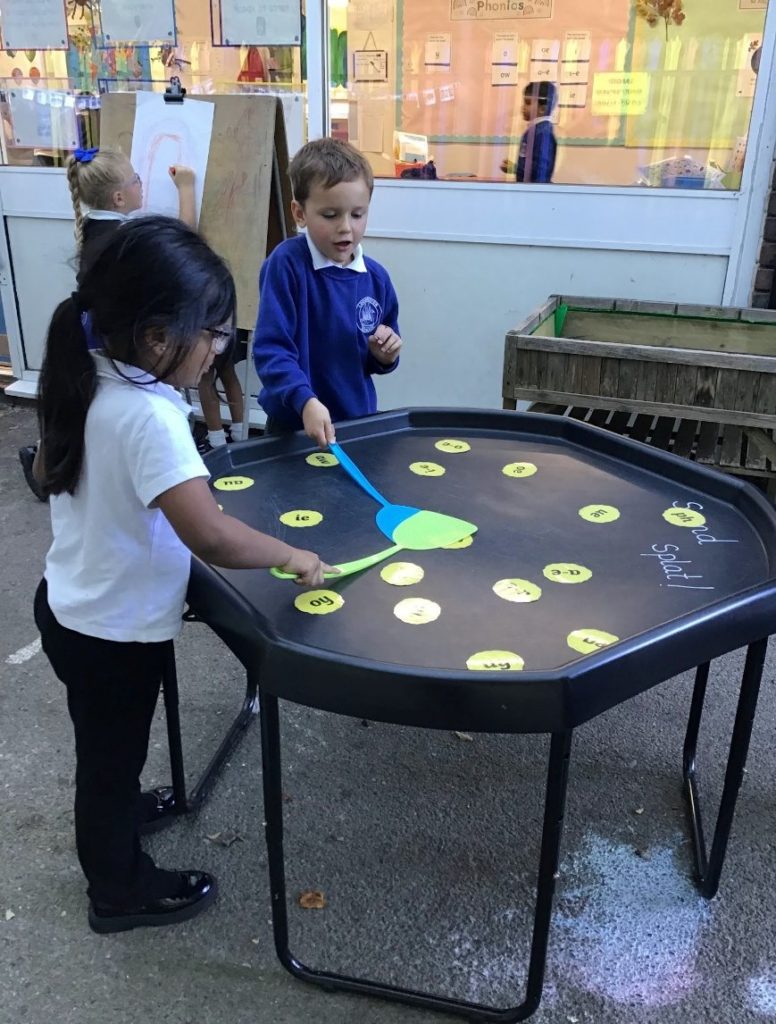
English is central to learning across the curriculum. We aim to develop confident readers, skilled writers and articulate speakers who can communicate effectively for a range of purposes.
Read more
Reading is a priority throughout the school. In the early years and Key Stage 1, we use Rocket Phonics to develop children's knowledge of letter sounds, blending and segmenting, supporting them to become accurate and confident readers. As children progress, they develop fluency, comprehension and a deeper appreciation of different authors, texts and genres. We encourage children to read widely, enjoy books and develop a lifelong love of reading.
At Loudwater Combined School, we want children to see themselves as writers and to develop a genuine enjoyment of writing. We follow a Writing for Pleasure approach, encouraging children to write with purpose, creativity and confidence. We provide opportunities for children to write about subjects that interest them, explore their own ideas and develop their individual voices as writers.
Through regular writing opportunities, children develop their skills in composition, vocabulary, grammar, spelling and punctuation. They are supported to make choices about their writing, share their work, reflect on their progress and learn from others. Teachers model the writing process and provide guidance to help children develop their skills and become increasingly independent.
Our aim is for every child to leave Loudwater as a confident, capable writer who understands the value of writing as a way to communicate, express themselves and share ideas with others.
Spoken language is developed across the curriculum. Through discussion, questioning, presentations, drama and collaborative activities, children learn to express their ideas clearly, listen to others and explain their thinking.
Mathematics
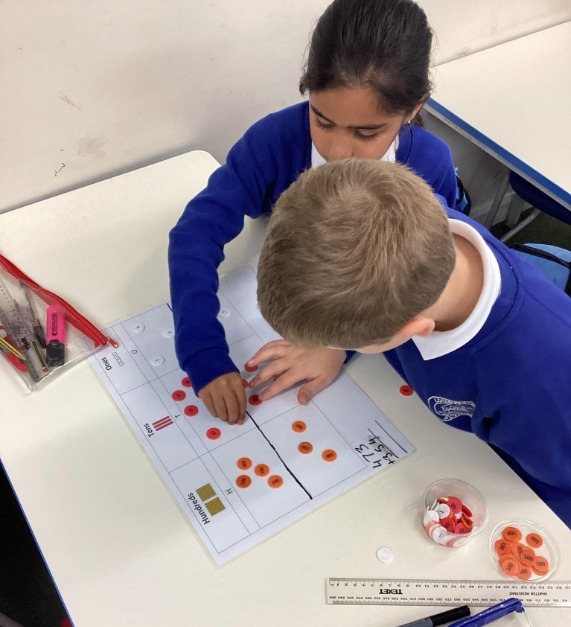
Our mathematics curriculum develops confident, fluent and resilient mathematicians. Through practical activities, discussion and written work, children develop a secure understanding of number, calculation, fractions, measurement, geometry and statistics, progressing to more advanced concepts as they move through the school.
Read more
We place importance on fluency, mathematical reasoning and problem-solving. Children are encouraged to explain their methods, make connections, explore different approaches and apply their knowledge to unfamiliar problems. Learning multiplication tables and developing efficient mental strategies are important elements of our mathematics provision.
Science
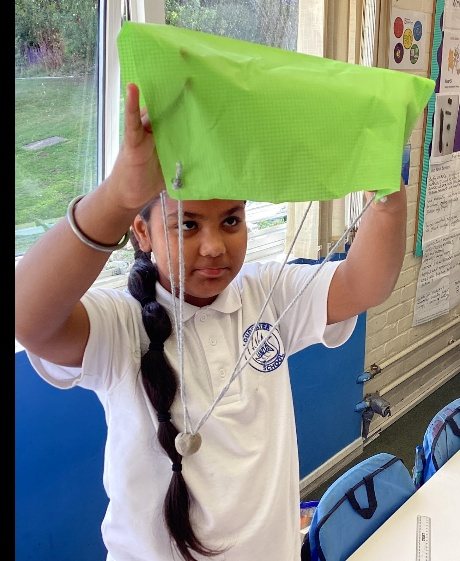
Science encourages children to explore, question and investigate the world around them. Through practical investigations, observation and discussion, pupils develop scientific knowledge and learn to think critically about evidence.
Read more
Children study a broad range of scientific topics, including plants, animals and humans, materials, habitats, forces, electricity, light, sound and the Earth and space. They develop their understanding of scientific concepts progressively while learning to ask questions, make predictions, carry out investigations and draw conclusions.
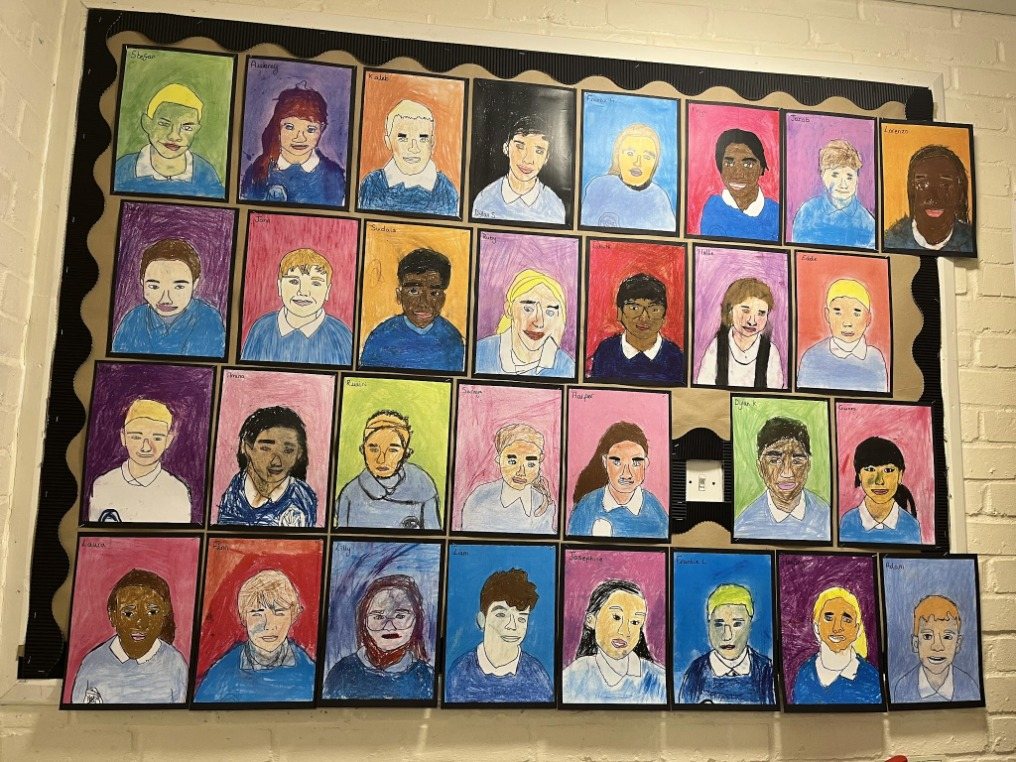
Art & Design
Art and Design encourages pupils to experiment with different materials, techniques and processes. Children develop their creativity, learn about artists and artistic traditions, and gain confidence in expressing their own ideas.
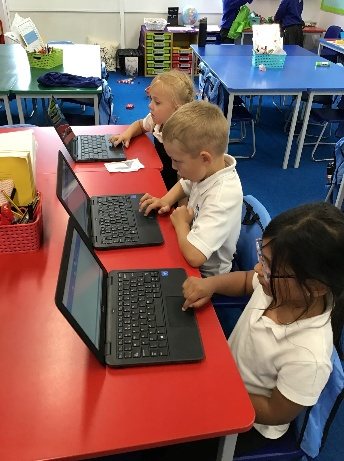
Computing
Computing equips children with the knowledge and skills to participate confidently and safely in an increasingly digital world. Pupils develop their understanding of computer systems, programming and the use of technology to create, organise and communicate information.
Read more
Online safety is an important part of our teaching. Children learn how to use technology responsibly, recognise potential risks and make informed choices about their online behaviour.
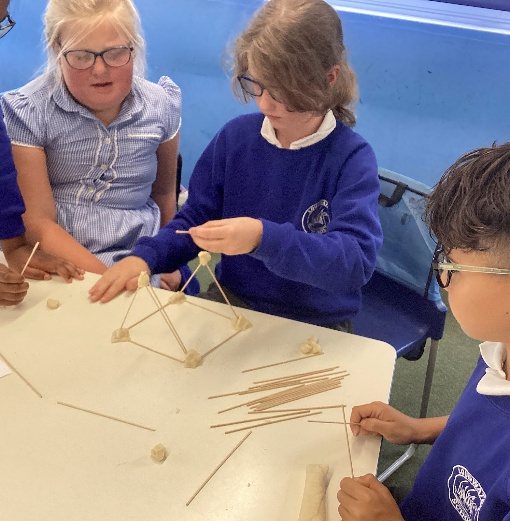
Design & Technology
Design and Technology gives children opportunities to design, make and evaluate products. They learn to solve problems creatively, use tools and materials safely, and consider how their designs meet a particular purpose. Cooking and nutrition are also important elements of this subject.
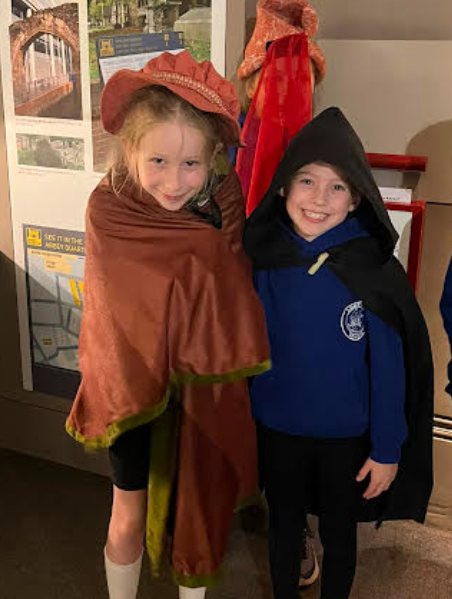
History
History helps children understand the past and how it has shaped the present. Pupils explore significant people, events and periods in British and world history, develop chronological understanding and learn to use historical evidence to investigate and interpret the past.
Learning beyond the Classroom
We believe that some of the most memorable learning experiences happen beyond the classroom. Our school grounds provide opportunities for practical investigation, environmental learning, teamwork and developing an appreciation of the natural world. Through visits, visitors, enrichment activities, performances and sporting opportunities, we aim to bring learning to life and help children discover new interests and talents.
Music
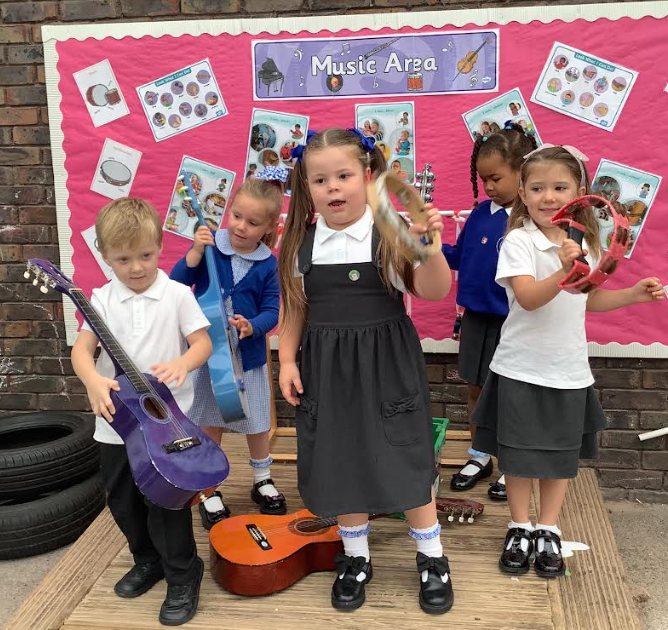
Music provides opportunities for children to listen to, perform, compose and appreciate music from a range of styles and cultures. Through singing, instrumental work and performance, pupils develop their musical skills, creativity and confidence.
Physical Education
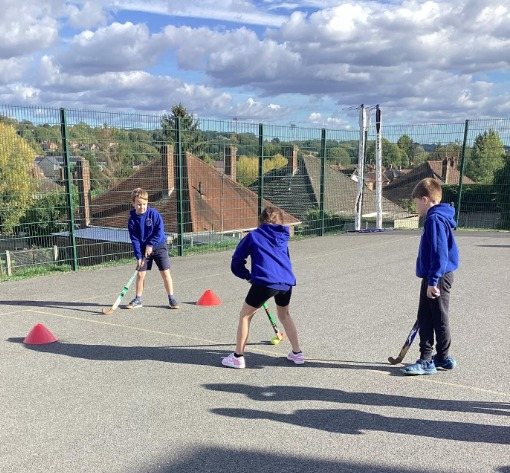
Physical Education (PE) helps children develop physical competence, confidence and a positive attitude towards being active. Through games, gymnastics, dance, athletics and other physical activities, pupils develop coordination, teamwork and sportsmanship. Swimming is an important part of our provision, supported by our outdoor school swimming pool. We encourage children to understand the benefits of an active and healthy lifestyle.
PSHE
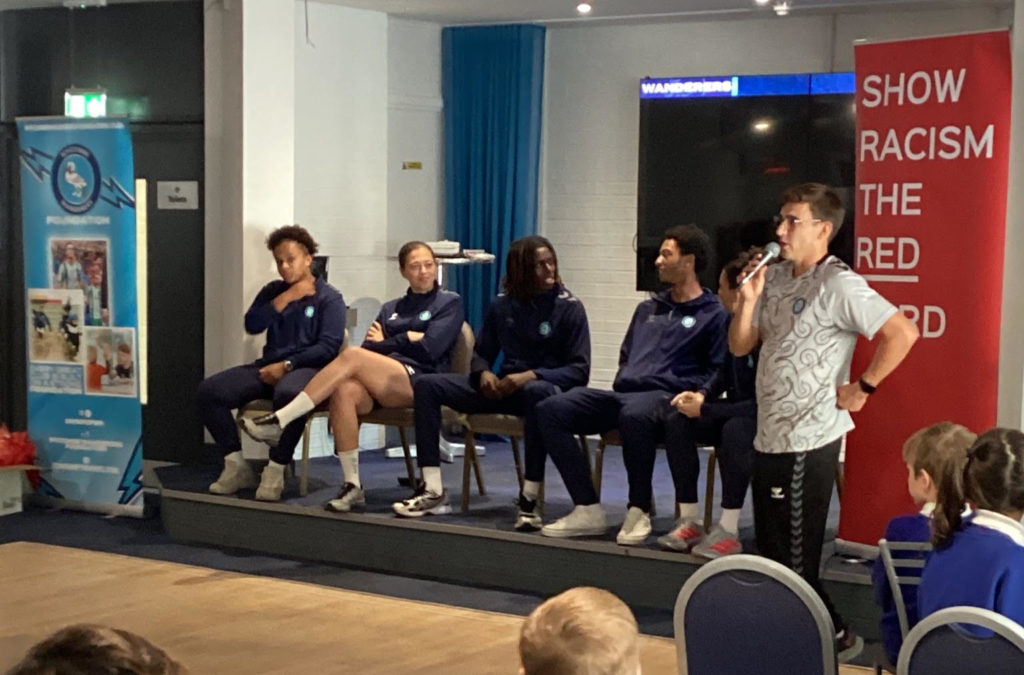
PSHE supports children in developing the knowledge, understanding and personal skills needed to lead healthy, safe and fulfilling lives. Through age-appropriate teaching and discussion, pupils explore emotional wellbeing, friendships, relationships, personal safety, healthy lifestyles and the responsibilities that come with growing up. We help children develop empathy, respect for others, self-awareness and the confidence to make positive choices. Our school values reinforce this learning and support children in developing positive relationships with others.
Spanish
Spanish is taught in Key Stage 2. Through activities such as songs, games, conversations and role play, children develop their vocabulary, listening and speaking skills, building towards greater confidence in using the language.